

Storing information carrying DNA molecules into polymer fibers
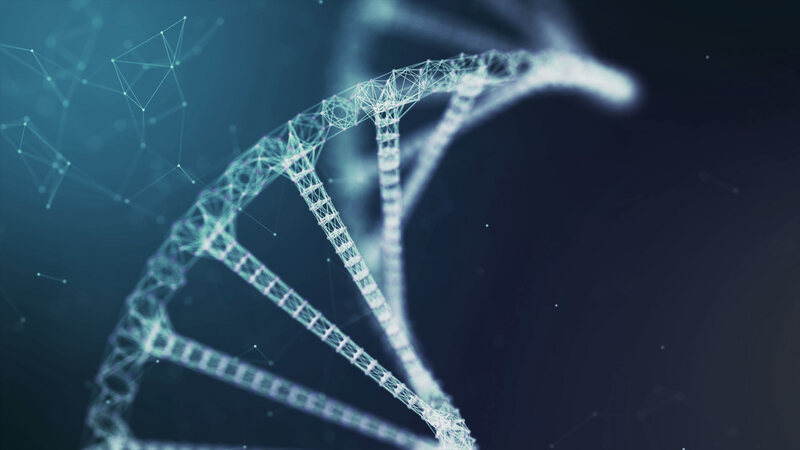
Digital information is converted in silico into DNA, taking advantage of the molecule’s inner alphabet of four bases A, C, T and G.
The DNA is then synthesized at Eurofins Genomics by novel, high-precision and automated self-developed approach to go beyond the state-of-the-art.

The synthesized information-bearing DNA molecules are then encapsulated in polymer fibres for medium to long-term storage.
The fibres, whether from non-toxic synthetic polymers or natural ones, ensure protection from environmental conditions.


Biocompatibility
Synthetic and natural polymers are non-toxic, ensuring biocompatibility and biodegradability.
Reliability
The encoding scheme insures redundancy and error correction, guaranteeing trustworthy information.
Low-cost
The fibers are stored in ambient conditions and do not require a constant source of energy to be preserved.
Durability
DNA is much more durable than electronic devices used today for data storage, even more so when protected in water-resistant fibers.
Simplicity
Storing the information and retrieving it are led in simple steps, with no need for harsh treatments.
Our Results
- Our innovations on the EIC Innovation Radar (TRL 3) -
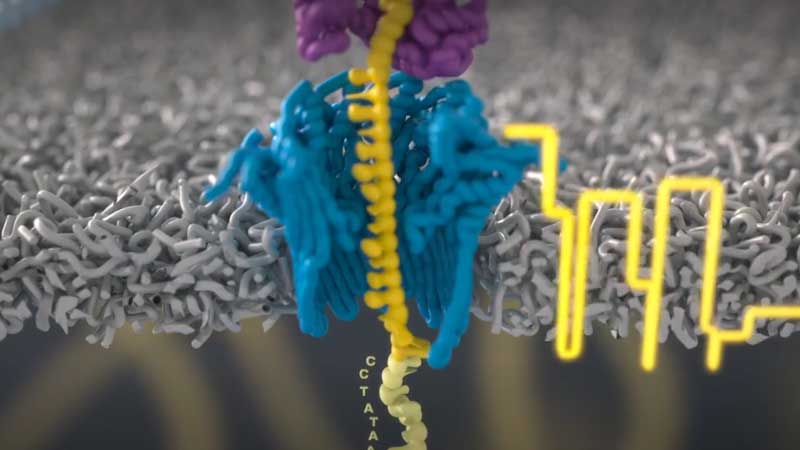
EUROFINS is developing a long-read amplicon sequencing for amplifying small fragments of DNA (<500 base pairs) and reliably reading oligonucleotides using Oxford nanopore sequencing (ONT) after chemical pre-treatment.